Early stage2 pages15–20 minutes
Songs of the Fifties and Sixties
Song titles and radio memories with the ending left off. The tune often arrives before the words do, and that counts as remembering.
Free to print, copy, and pass on
Memory Studio · A collection of 6 free sheets
Any hour you want a real conversation rather than a quiet one.
Memory does not fade evenly. The years someone was roughly ten to thirty stay lit longest, which is why a woman who cannot recall this morning's breakfast can tell you exactly what her first car cost and who taught her to drive it.
Every sheet in this collection reaches for those years on purpose. A wall telephone with a long cord. Sunday dinner. The drive out west before the highways were finished. The songs that were playing when they were nineteen.
You are likely to hear stories you have never heard. Bring a pen — many families end up writing on the back of these pages, and those notes become something the whole family keeps.
Each one opens on its own page and prints on its own — one to three pages, large type, nothing to download and no email address to give. Print the one that fits today.
Song titles and radio memories with the ending left off. The tune often arrives before the words do, and that counts as remembering.
Free to print, copy, and pass on
One picture and a handful of open questions about the first car someone drove — a subject that almost always has a story attached.
Free to print, copy, and pass on
A short, open crossword built from the table a family sat down to on a Sunday. Generous squares, plain clues, an answer key at the end.
Free to print, copy, and pass on
Sorting and odd-one-out built from the places a young person went in the 1950s and 60s — the drive-in, the diner, the five-and-dime.
Free to print, copy, and pass on
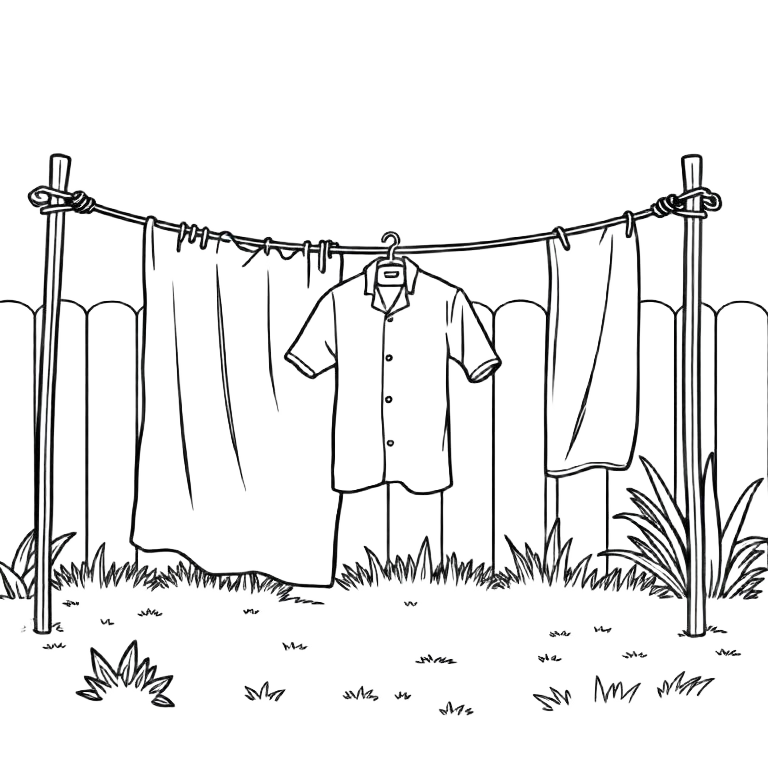
A single large drawing with thick, forgiving outlines. Nothing about it reads as a children's page.
Free to print, copy, and pass on
Pairs the way a thing used to be done with the way it is done today. It opens conversation rather than closing it with an answer.
Free to print, copy, and pass on
If you are in Scottsdale, Paradise Valley, Fountain Hills, or nearby and you would rather not wrestle with a printer, call us. We will run this collection off and you are welcome to stop by the home to pick it up — there is no charge and nothing expected in return. If you would like to see the house while you are here, we would love that; if you would rather just take the pages and go, that is completely fine too.
When You Sit Down Together
For the visit where you want something to do together, and conversation alone feels like a lot to ask.
5 sheetsAs the Light Changes
For the late afternoon, when the light drops and everything feels less settled.
5 sheetsA Job That Is Still Theirs
For someone who has always worked, and who does not want to be entertained.
6 sheetsWhen Words Have Thinned
For the season when presence says more than conversation ever could.
6 sheetsFor Someone Who Doesn't Know What to Say
For grandchildren, friends, and the family member who has been putting off the visit.
6 sheets